
BRIDGING THE DIVIDE ACROSS GENERATIONS
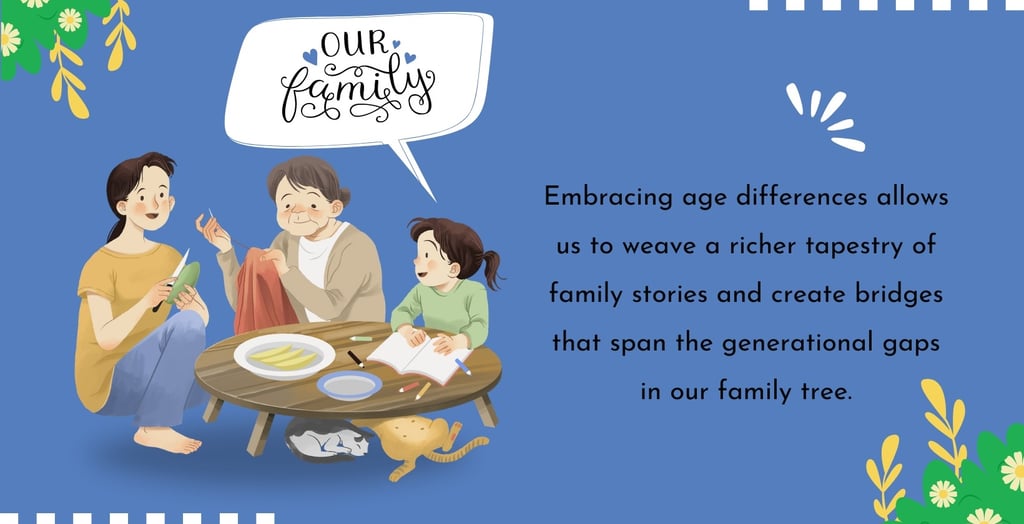
We seldom come across people who have peaceful relationships with their parents or children. Several theories explain what brings us close to each other, and what breaks us apart and there are plenty of therapeutic techniques based on scientific research that can help people resolve conflicts and evolve smoothly in relationships.
Why don’t we hear the success stories of people who have benefitted from these years of research work and findings? How many people take help and even desire to resolve conflicts? Can we seek peace with someone whom are have been conditioned to hate, disown, or give up on? In my observation, children either avoid, detach, or become insecurely attached, and parents either give up or continue to try to change their children. One of the reasons could be how concretely our family system is built and how rigidly it has functioned over the centuries in our collectivistic culture that is based on gluing to each other. The problem doesn’t seem to be in the culture of collectivism but the lack of awareness of the behavioral patterns we get conditioned to while treating each other as an indispensable member of a collectivistic family system.
Psychological theories provide insights into the cognitive, social, and cultural factors that contribute to differences in people. Individuals categorize themselves and others into social groups based on characteristics such as age, leading to in-group favoritism. Differences in communication styles, values, and priorities influence different family members in the family may depend on the different social identities they have, which are based on their age group or phase of life. Variations in communication styles, values, and priorities can be seen as expressions of cultural differences, and conflicts may arise from a lack of cultural intelligence. Based on the Life-Course Theory, we may say that the contrasting perspectives of a 21-year-old and their 50-year-old parent may be shaped by the unique historical and societal contexts during their formative years.
We can also observe the differences in technology usage, career perspectives, and decision-making styles that may influence the role models and influencers each age group looks up to. The cognitive dissonance felt while encountering conflictual perspectives or other family members may make each one behave defensively, leading to emotional dysregulation and family dysfunction. Perceptions of the costs and rewards associated with financial management or in meeting the intrinsic needs of each other in the family can make joint decision-making impossible.
What are a few factors that we can keep in mind and use as tools to find balance by developing empathy, patience, understanding, compassion, or respect?
Finding common ground. Like,
Sharing Emotions – It is something that I pay utmost importance to when I talk about parenting. When the child is back from school we would be dying to know about their day, and we make time and effort to make them talk about it. Most of us consider this ideal. But we fail if we cannot express our emotions in congruence with our mood, beliefs, and behavior to our children. Emotions and feelings are inherent to the human experience and are not confined by generational boundaries. We have to acknowledge and validate each other's emotions. emphasize empathy and understanding in emotional exchanges to create a foundation for meaningful connections.
Shared Experience – Bonding over shared experience is common across species. For example, wolves work together in various activities, including hunting and raising offspring. They form close family bonds within the pack, and shared experiences contribute to the cohesion of the group. Wolves often display cooperative behaviors, communication, and mutual care, reinforcing the strength of their social connections. They say that meerkats, small social mammals, face numerous challenges in their environment, including predation. Shared negative experiences, such as encounters with predators, can lead to increased vigilance and cooperative behaviors within meerkat groups. Individuals may take turns serving as sentinels to alert the group of potential dangers. I wonder if this is the theory behind the success of many family businesses we see!
Growth and Learning - The most memorable discussion in the family we might have had in our childhood that keeps coming back as affirmations or motivates us to navigate ourselves in the right direction can be when elders in the family spoke about their experiential leanings. For elder members, a memorable moment could be when the younger ones teach them something new about the evolving world outside. The desire for personal growth and learning is a constant throughout life, irrespective of age. Fostering an environment that encourages continuous learning and personal development, and cultivating the habit of exchanging knowledge and experiences between generations can not only bring the family members closer but help each other thrive as the primary component of society.
Cycles of Life – Life follows certain cycles, including birth, growth, aging, and death, which are universal experiences. We must embrace the cyclical nature of existence as a commonality and acknowledge the shared journey of life and the wisdom that comes from different stages. This is not just a transactional deal but can develop patience, respect, and perseverance in each member of the family.
Universal Human Experiences – It is a very basic and most forgotten or ignored fact that most humans experience more or less the same needs, and emotions and behave similarly in different phases of life. Acknowledging and empathizing with universally experienced life events, such as birth, growth, love, loss, and death can help treat each other without judgment and accept them with respect. Unfortunately, the younger ones fail to imagine how it would feel to be in a phase where each sunset may seem more precious than the other for elders, and elders in the meanwhile can get carried away by feelings of contentment, despair, or pride and forget that they were either not being true to themselves when they were young or were experiencing life in the same way as their younger generation do.
Bridging the generational divide within families requires a conscious effort to understand, empathize, and connect. Despite the challenges posed by cultural and societal structures, some tools and strategies can contribute to resolving conflicts and fostering harmonious relationships. Families can overcome generational differences, strengthen their bonds, and create a supportive environment for each member to thrive throughout the various stages of life. I consider this to be the responsibility of parents, teachers, and also us, the psychologists.